The Diocese of Peterborough is served by a wide range of ordained and lay ministers who together support the life, worship, and mission of the Church across approximately 350 parishes. There are around 200 licensed clergy, alongside approximately 100 retired clergy who continue to assist in ministry. Lay ministers also play a significant and valued role in the ministry and mission of the Diocese.
Clergy

Parish Clergy
Most clergy are licensed by the bishop to minister within a parish or group of parishes (benefice), commonly serving under the titles of Rector, Vicar, or Priest in Charge. Parish clergy are responsible for providing pastoral care to those within their parish, leading worship, and overseeing the ordering of church services, working collaboratively with the Parochial Church Council (PCC), and ensuring appropriate oversight of church buildings and churchyards.
Assistant and Associate Clergy
Some clergy serve in supporting roles as Associate Priests or Assistant Priests. In these roles they work alongside incumbents and contribute to the shared ministry of the parish or benefice.
Curates
Newly ordained clergy serve as curates, usually for a period of around three years, during which they undertake structured formation and training in parish ministry. Curates are first ordained as deacons and are typically ordained priest after approximately one year. During their diaconal ministry, they focus particularly on service and pastoral care and are not authorised to preside at Holy Communion, Weddings, or Funerals.
Self-Supporting Ministry
Self-Supporting Ministers are ordained clergy who exercise their ministry without receiving a stipend from the Church. They bring a rich variety of experience, gifts, and perspectives to the life of the Diocese, often combining ordained ministry with employment, family responsibilities, community engagement, or other vocational commitments. Their ministry may be expressed in parish life, chaplaincy, diocesan roles, sector ministry, or other forms of service, according to their licence and agreed pattern of ministry. Within the Diocese of Peterborough, Self Supporting Ministers are valued as an integral part of the clergy community and share fully in the Church’s worship, pastoral care, mission, and leadership. Clear conversations about role, expectations, workload, rest, and support are important so that their ministry is sustainable, properly recognised, and appropriately integrated within the wider life of the parish, benefice, or context in which they serve.
Distinctive Deacon
A distinctive deacon is ordained to a ministry that gives particular expression to service, compassion, and the Church’s calling to stand alongside those on the margins. While all ordained ministry has a diaconal foundation, distinctive deacons are called to remain in the order of deacon and to exercise a ministry that bridges the worshipping life of the Church and the needs of the wider community. Their ministry may include proclaiming the Gospel, assisting in worship, preaching where authorised, offering pastoral care, encouraging acts of justice and service, and helping the Church to recognise and respond to the needs of the world. Within the Diocese of Peterborough, distinctive deacons are valued as a sign of Christ the servant, helping parishes and communities to connect worship, mission, and practical service.
First time incumbents
The diocese recognises that the first post of responsibility can be challenging. Within her wider brief as Clergy Training Officer, Chrys offers support to first time incumbents in various ways. She visits each one within two months of licensing, establishing what might best assist each clergyperson. In addition to continuing ministerial development events open to all ministers, there are specific conferences arranged in conjunction with our sister dioceses such as ‘New Posts’ and ‘Incumbency Skills’. Mentoring, if desired, can be arranged in conversation with the relevant archdeacon. There are various grants available for retreats, training, and well-being, as well as further studies (not limited to degrees).
Retired Clergy
Retired clergy often continue to contribute to the life of the Diocese. They are granted Permission to Officiate (PTO), which enables them to minister across a range of parishes according to need.
Lay Ministers
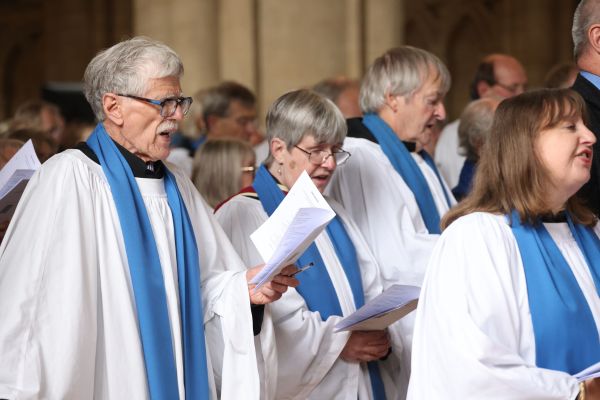
Lay ministry is an essential part of the Church’s life and mission. The Diocese recognises that all Christians are called to serve and is committed to enabling individuals to use their gifts in ministry and witness. This includes encouraging participation, providing training and formation, and supporting lay ministers as they grow and flourish in their vocation.
Forms of Lay Ministry
Lay ministry within the Diocese is recognised at different levels according to role, training, and scope of responsibility. Licensed Lay Ministers, also known as Readers, are trained to nationally recognised standards and are authorised to preach, teach, and lead certain forms of worship. Authorised Lay Ministers are trained according to diocesan standards and are permitted to undertake specific ministries within a parish or benefice. In addition, many individuals serve as locally recognised lay ministers, being identified and supported at parish level to contribute to pastoral care, worship, and the mission of the Church in a variety of ways.
The ministry of the Diocese of Peterborough is shared between clergy and lay people, each contributing according to their vocation and gifts. Together they enable the Church to sustain its worship, pastoral care, and mission, both within parish communities and in the wider world.

Find out more about Exploring your vocation
We are all invited by God to be the best version of who we can be, to serve Him
Find out more about Welcomes & Farewells
We welcome new people to the Diocese and wish farewell to those leaving.